2026 cross-border logistics changes! Freight rates plummeted by 70%, new EU tariffs are coming, and the Middle East route is a must-see!
Introduction: In March 2026, global cross-border logistics is undergoing multiple changes - sea freight rates have plummeted by more than 70% from the peak, the EU has imposed new tariffs on low-priced small packages, the situation in the Middle East has pushed up air freight costs, and reverse logistics pressure is increasing day by day. Only by understanding these four signals can you stabilize your profits in the second half of the year.
1. Sea freight rates plummeted by 70%, and the buyer's market is coming
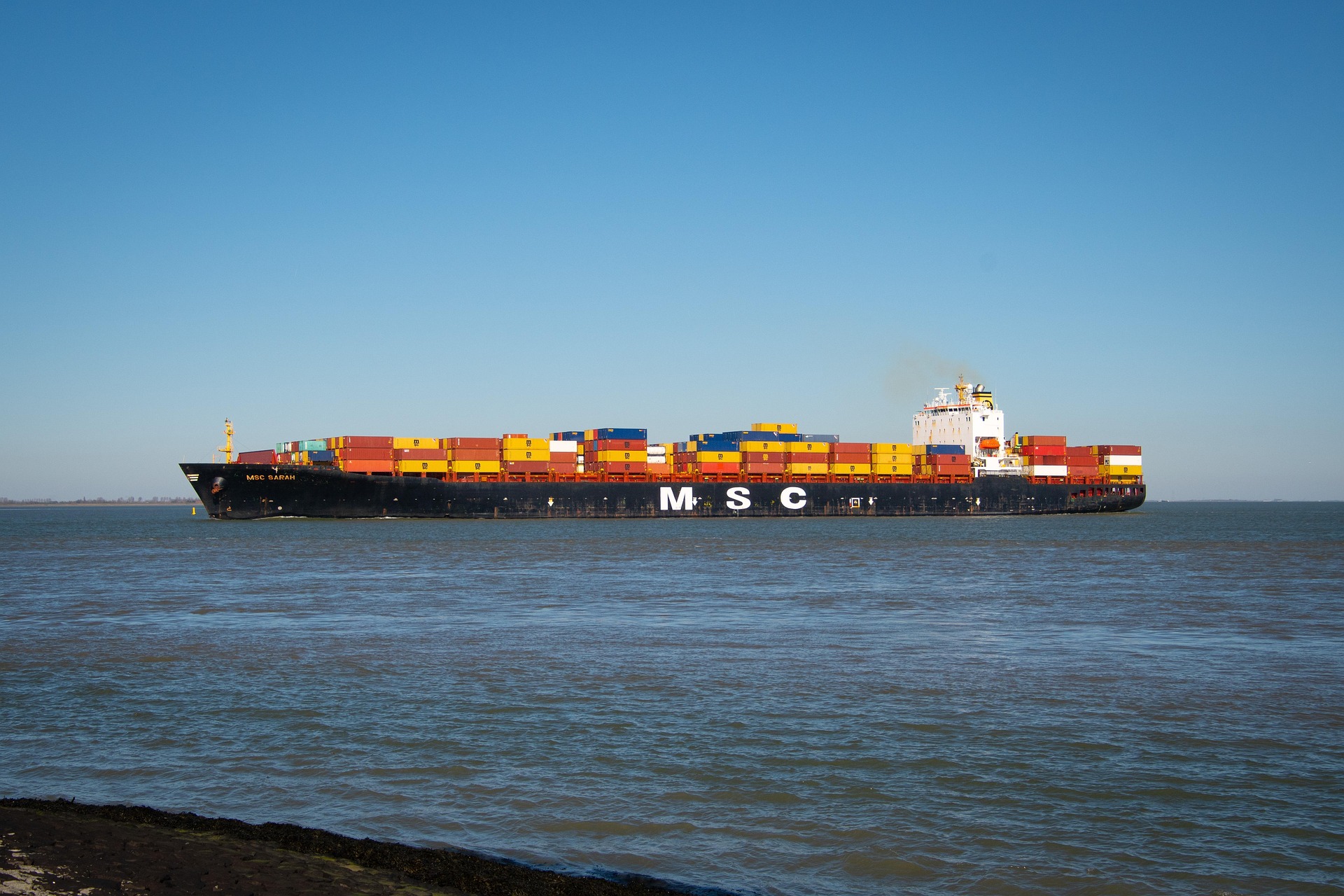
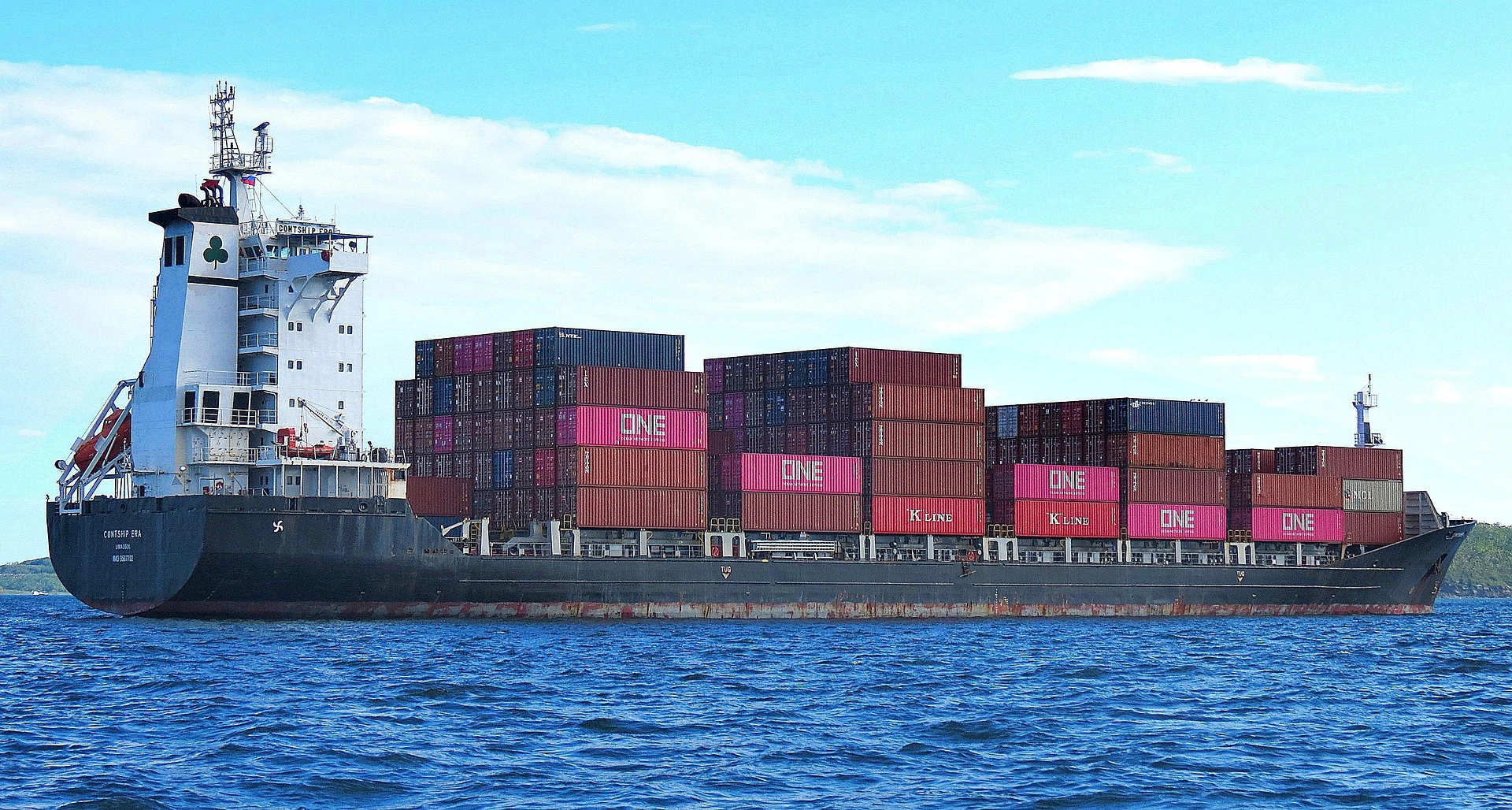
In 2026, the global maritime market will usher in a historic reversal. Due to the dual factors of the concentration of super-large container ships and the weakening of global demand, the spot freight rate of sea freight has fallen by more than 70% from the peak in 2024, and the overall entry into the "buyer's market".
For cross-border sellers, this is a rare window period in recent years - the cost of the first leg has dropped significantly, which is suitable for locking in long-term freight rates, speeding up the pace of replenishment, and seizing peak season inventory opportunities.
But beware: low freight rates do not mean "lying down". In order to ensure profits, shipping companies are reducing frequencies and merging routes, and the space and timeliness of some small ports are tightening. It is recommended to give priority to signing annual agreements with mainstream shipping companies to lock in low prices while ensuring stable space.
2. Major changes in EU tariffs: from July, small packages under €150 will be fully taxed
This is one of the most important policy changes for cross-border logistics in 2026.
From July 1, 2026, all low-value parcels (below €150) entering the EU will be subject to a flat tariff of €3/pack. This change covers 93% of cross-border e-commerce packages in the EU and directly impacts Chinese sellers who rely on the low-priced parcel model.
At this stage, sellers need to do three things in advance: first, recalculate the pricing model of goods entering the EU and include the €3 tariff cost; second, inform the buyer of the composition of taxes and fees in advance on the product page to avoid negative reviews of "additional costs" when signing for receipt; Third, evaluate whether to ship through EU local warehouses and bypass the impact of the new tariffs.
The DDP (Delivered Duty Paid) model will become standard in the EU market, and whoever switches first wins consumer trust first.
3. The situation in the Middle East has pushed up air freight costs, and route detours have become the norm
In March 2026, tensions in the Middle East continued to ferment, directly impacting the global air freight market.
Affected by airspace restrictions in the Middle East, many major routes were forced to detour, global air freight capacity was severely suppressed, and freight rates in some sections rose sharply in stages. At the same time, the situation in the Red Sea has not yet fully stabilized, and the time cost of shipping around the Cape of Good Hope is still consuming effective global capacity.
For time-sensitive goods (electronic products, new clothing, holiday gifts, etc.), it is recommended to stock up 4-6 weeks in advance to avoid being forced to use high-priced air freight near the peak season; Maintain close communication with freight forwarders and establish backup route plans; For non-time-sensitive goods, adhere to sea freight, and do not disrupt the rhythm due to short-term air freight price increases.
Fourth, the cost of reverse logistics has surged, and return management has become a new battlefield
In 2026, the problem of cross-border returns has been upgraded from "occasional pain points" to "systemic pressure".
The cost structure of international returns is far more complex than domestic: higher international freight rates, longer transit cycles, customs clearance procedures at various countries, coordination costs between multiple logistics providers...... Once the return rate exceeds 5%, profits begin to erode rapidly.
At present, there are three industry-leading response strategies: first, do an accurate description of the size, material, and usage scenarios on the product detail page, and reduce the return of "wrong goods" from the source; second, establish a local return center in the target market, intensively process returns and then put them on the shelves or clear them at a discount; The third is to proactively provide return tracking and refund progress inquiry to reduce customer complaints caused by opaque information.
Sellers who do well in reverse logistics have an average customer repurchase rate that is 23% higher than the industry average. This is not a cost center, it is a barrier to competition.
Summary: Four major signals of cross-border logistics in 2026
Sea freight low price window period - seize the opportunity to lock in freight rates to replenish inventory
EU €3 tariff is coming - pricing and model adjustment will be completed by July
Air freight costs have risen in stages - stocking up in advance to avoid peak season risks
Reverse logistics has become a new competitiveness - investment in return management means investment in repurchase
Cross-border logistics in 2026 is no longer just a matter of "delivering goods", but who can continue to reduce costs, perform contracts stably, and win trust in a complex situation, and who can go to the end.